Arina & Frendt: writing a friendship with no words
Two kids, zero dialogue, one of the most affecting friendships in indie games. How the team built characters who communicate entirely through movement, light and weather.
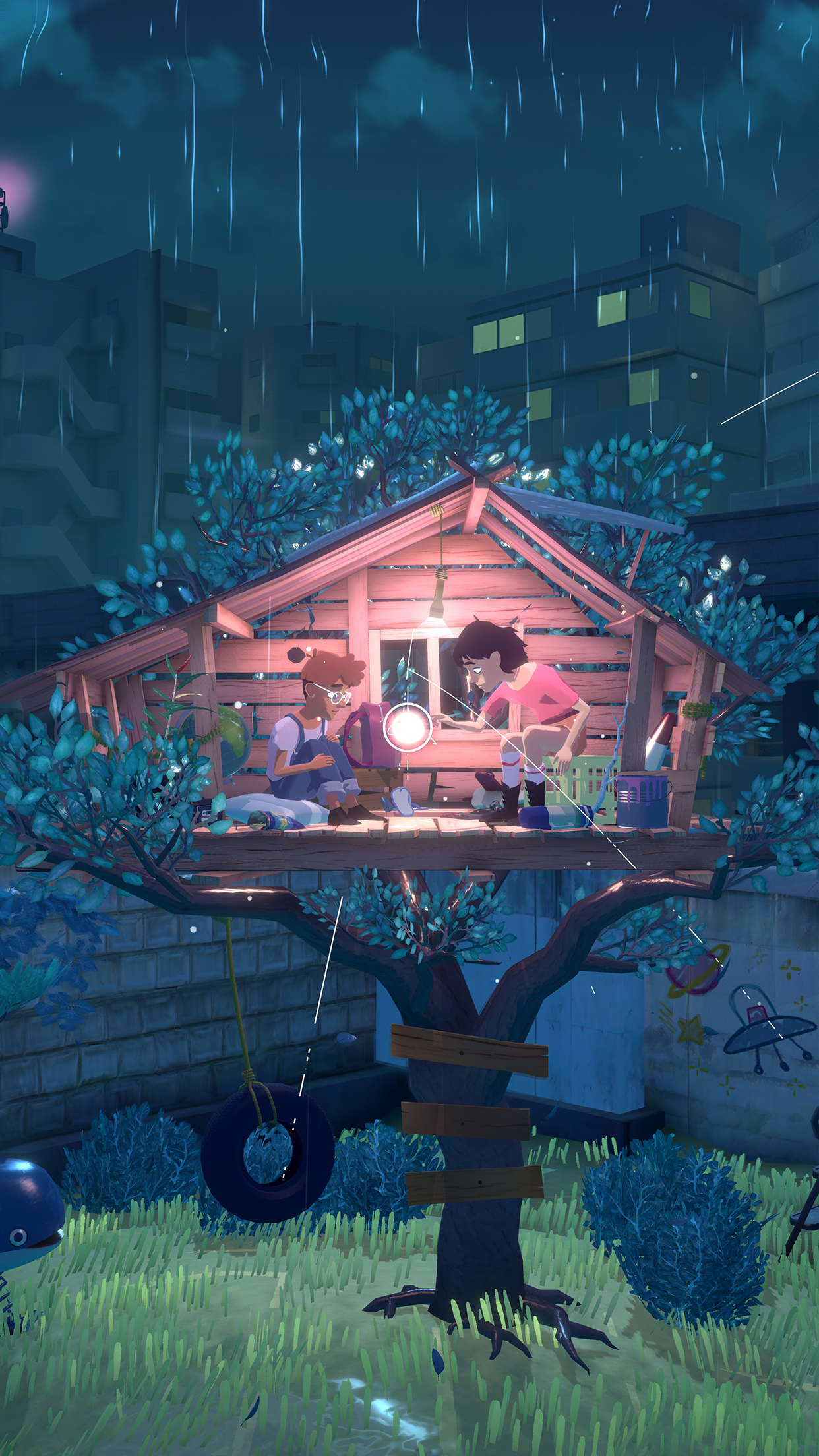
The brief was dangerous: build a game about friendship with no dialogue, no cutscene speeches, no text on screen at all. Every emotion had to live in how two animated kids moved through dioramas — the pause before a jump, who reaches the ladder first, who waits.
The result is a friendship that players project their own history onto. Arina and Frendt don't tell you about their bond; they behave like people who have one, and your memory fills in the rest.
Studio Editorial
Long-form writing from the Gardens Between World team — guides, essays and the occasional confession from development.
In this article
- Characters through choreography
- The storm as the third character
- Why no names on screen
- The ending players write themselves
Characters through choreography
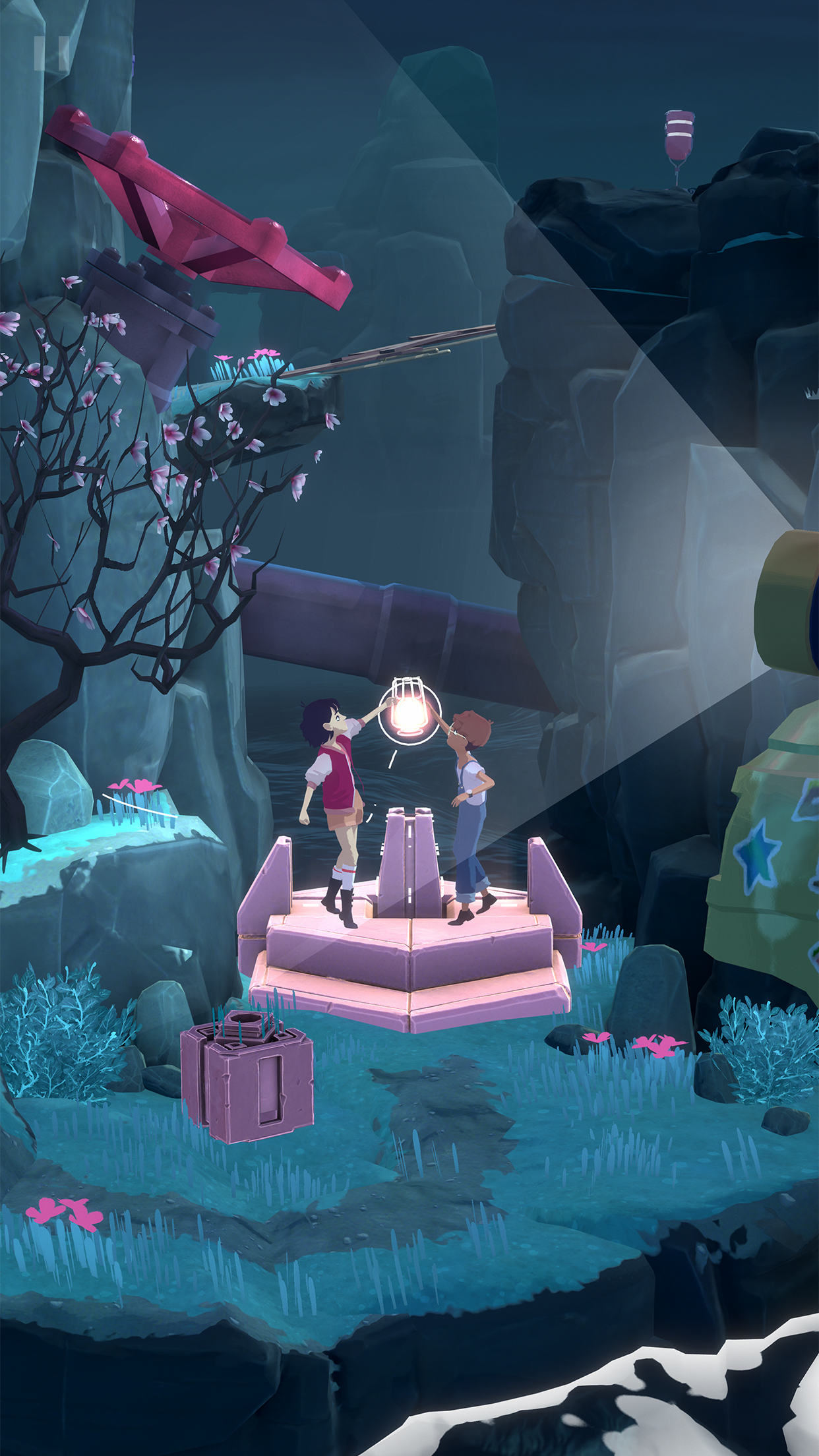
Arina always leads. She reaches the altar first, carries the lantern, leaps before she looks — the animators gave her a half-step of impatience in every idle loop. Frendt trails half a beat behind, which isn't hesitation so much as care: he checks the rope swing before she uses it.
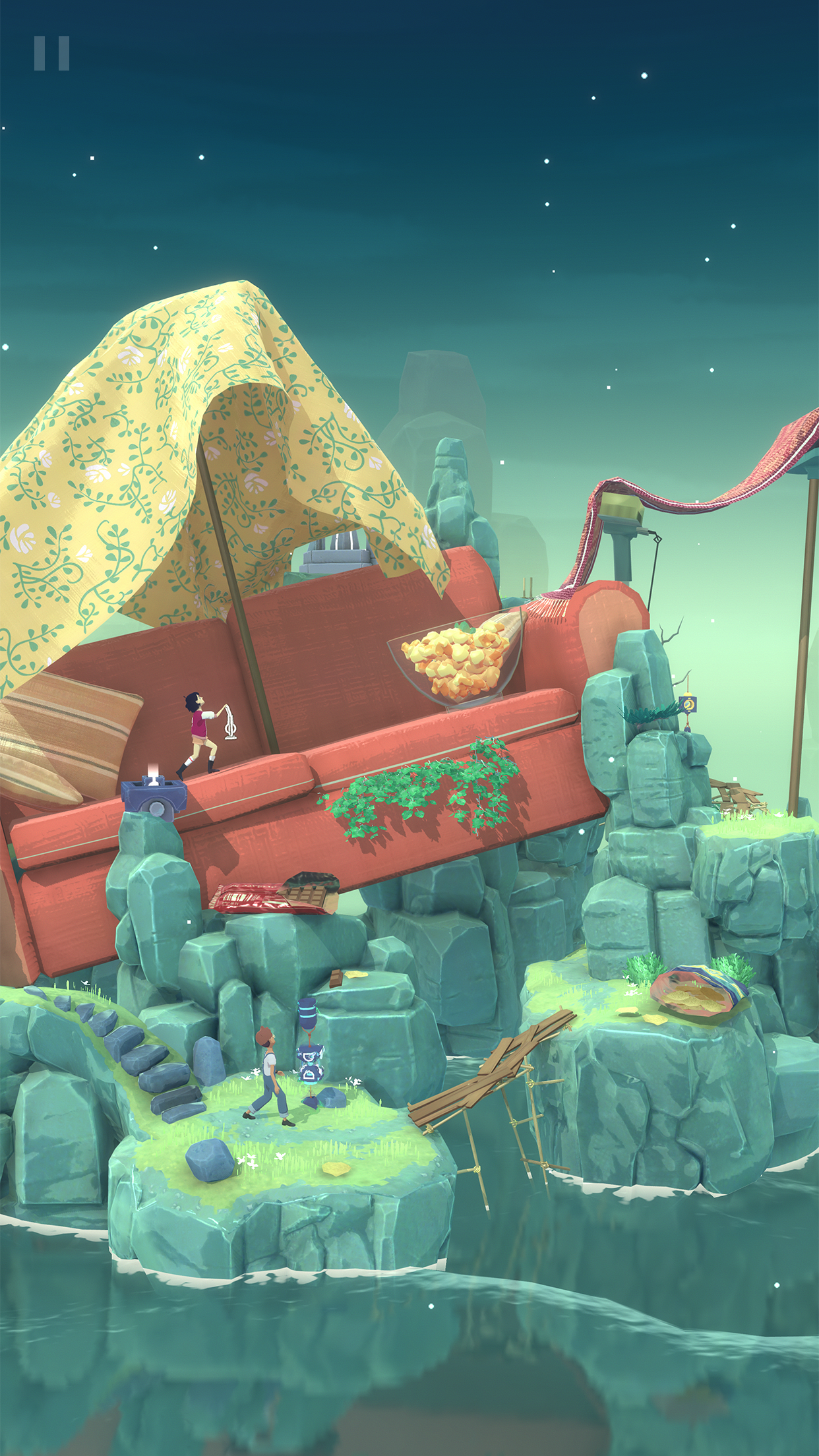
The team interviewed each other about their own childhood neighbours during development. Nearly every gesture in the game — the shared umbrella, the backward glance, the comfortable silence on the couch island — came out of someone's real memory.
Nobody writes dialogue for their best friend. You just know when they're about to do something stupid.— Studio interview, dev diary 02
The storm as the third character
The weather does the emotional work words couldn't. Rain arrives when the memories turn bittersweet; the sea rises when time is genuinely running out. Players noticed the storm tracking their progress through the story long before the studio confirmed it was intentional.
Why no names on screen
You learn their names from the menu and store page, never in-game. The choice was deliberate: inside the dream, they aren't 'characters' — they're the kids you used to know. Giving them on-screen labels would have made them smaller.
Details worth watching for
- Watch Frendt's idle animations — he checks on Arina constantly.
- The lantern only stays lit while they're within sight of each other.
- The couch island has no puzzle timer — sit with it as long as you like.
The ending players write themselves
The finale deliberately leaves the goodbye ambiguous — players spend the last island preparing for an ending the game never quite lands. It's the most-discussed scene in the community, and the team still gets letters about what people think it means. Our take: they were both right.
Keep reading: Meet the characters on the home page · The studio behind the dream
Spend an evening with them
Two to three hours that stay with you — A$7.99.