How time-rewind actually works in The Gardens Between
The mechanic that carries an entire award-winning game, explained in plain language — three clock types, one gesture, and why 'rewind' is the wrong word for what you're really doing.
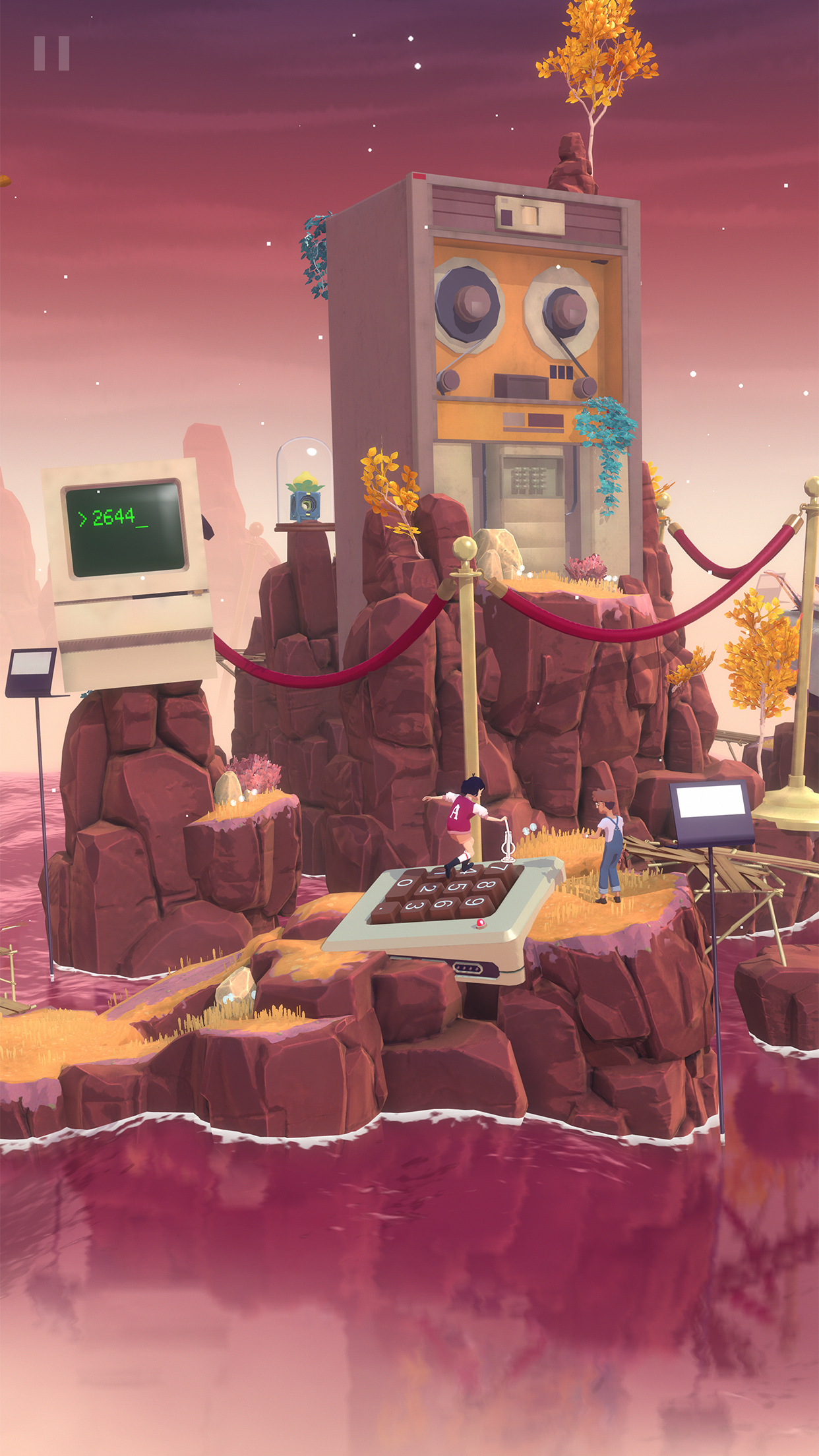
Most players describe The Gardens Between as 'the game where you rewind time'. It's close, but not quite right. You never rewind the characters — Arina and Frendt simply walk. What you scrub is the world: every prop, every gear, every raindrop remembers its own trajectory, and your finger decides which direction history flows.
That distinction is the entire game. Once you stop thinking 'move the kids' and start thinking 'conduct the timeline', the puzzles stop being walls and start being clocks you can hear.
Studio Editorial
Long-form writing from the Gardens Between World team — guides, essays and the occasional confession from development.
In this article
- The three clocks
- Why it feels like conducting
- Common mistakes new players make
- Where the mechanic peaks
The three clocks
Every object in the Gardens runs on one of three timelines. The world clock rewinds with your gesture — dominoes rise, rain climbs, bridges un-collapse. The personal clock belongs to a handful of elements that keep moving even when the world is frozen, like the saw blade that taught a thousand players what 'independent mover' means.
The third clock is the one nobody notices until the finale: the light itself. The lantern's spark travels forward no matter which way you drag time, and the late-game braids are built entirely around that one stubborn fact.
We didn't want players to control characters. We wanted them to control consequence.— Design notes, early prototype
Why it feels like conducting
The gesture mapping was tuned obsessively. A slow drag gives you frame-by-frame control; a fast swipe sends the world rushing. There's no UI element telling you this — players discover it the way you discover a melody's tempo, by feel. Playtesters described it as 'remixing the level', which is honestly a better description than our design documents ever managed.
Common mistakes new players make
The biggest one is freezing too late — watching a mechanism complete its cycle before pausing it. The island usually wants you to interrupt mid-motion, not admire the finished state. The second is forgetting that rewinding is free; there's no resource, no cooldown, no penalty for scrubbing the same five seconds a hundred times.
Three habits of fluent time conductors
- Watch what moves when you do nothing — independent movers are always the puzzle's spine.
- Freeze mid-cycle, not at rest; solutions live inside motion.
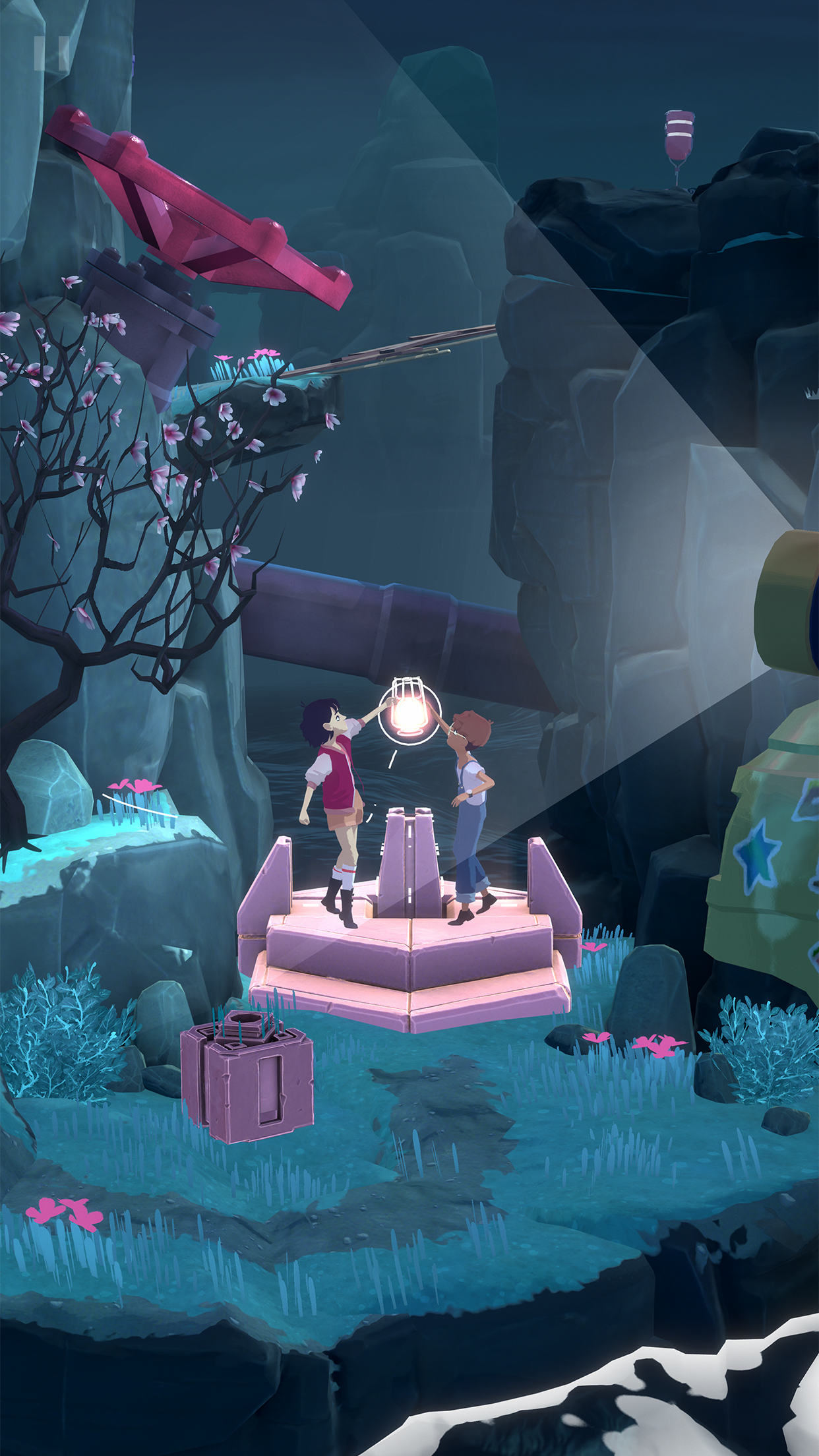
- If you're stuck, follow the light — the lantern's route is always the intended answer.
Where the mechanic peaks
The penultimate islands run two friend-timelines against the world clock and ask you to braid all three. It sounds impossible; in practice it produces the game's most satisfying 'oh' — the moment you realise the puzzle was never hard, you were just looking at one clock when you needed all three. The levels page ranks the community's votes for the toughest of these braids.
Keep reading: All twenty memory islands · Platform & performance FAQ
Try the mechanic yourself
The treehouse teaches it in ninety seconds — the rest of the evening is yours.